
Photo: Kongehuset
The Order of the Elephant (Elefantordenen) is Denmark’s highest honor.
Grade
The honor has only one class:
- Knight of the Order of Elephant (Ridder af Elefantordenen)
- Post-nominal letters – R.E.
Given to?
- Children of Danish Monarch and their spouse, and occasionally more extended family.
- Foreign Monarchs, Consort, Heirs
- Heads of State
Danish Citizens can be given the honor, but it is given on very rare occasions. There are no non-royal Danish citizens who currently hold this honor (as of Dec 2025).
Prior to 1958, women could received the insignia of the Order, but were not made knights. King Frederik IX changed this in 1958 for Princess Margrethe’s 18th Birthday. Women who were previously given the insignia were retroactively made Knights.
When is the honor given?
- Denmark Royals
- Per the statues of the order, the children of the Monarch are automatically knights of the Order. So, they are given the order, upon birth (or their parent’s accession).
- Children of the Monarch under age 18 are given the honor, but typically don’t receive the insignia until their 18th Birthday.
- The spouses of the children of the Denmark monarch are given the honor on their wedding day, or a few days before.
- Other extended members of the Denmark Royal Family may be given the honor, but that is rarely today.
- Per the statues of the order, the children of the Monarch are automatically knights of the Order. So, they are given the order, upon birth (or their parent’s accession).
- Foreign Royals
- The honor is usually given to monarchs, consorts or heirs during a State Visit, which they participate in.
- Extended family/Scandinavian royals
- The honor may be given outside of State Visits and will may be given to more than just the monarch, consort and heir.
When is the honor worn?
This is the higher of Denmark’s two Orders. So, we normally always see the Denmark Royals wearing this honor, whenever honors are worn. The one exception is event in foreign countries or State Visits when they would wear their highest honor of the other country, if they had it. (If they don’t have a honor from that country, they would wear their highest honor from home.)
Foreign Royals would only wear this honor when attending events in Denmark.
Insignia
Rosette
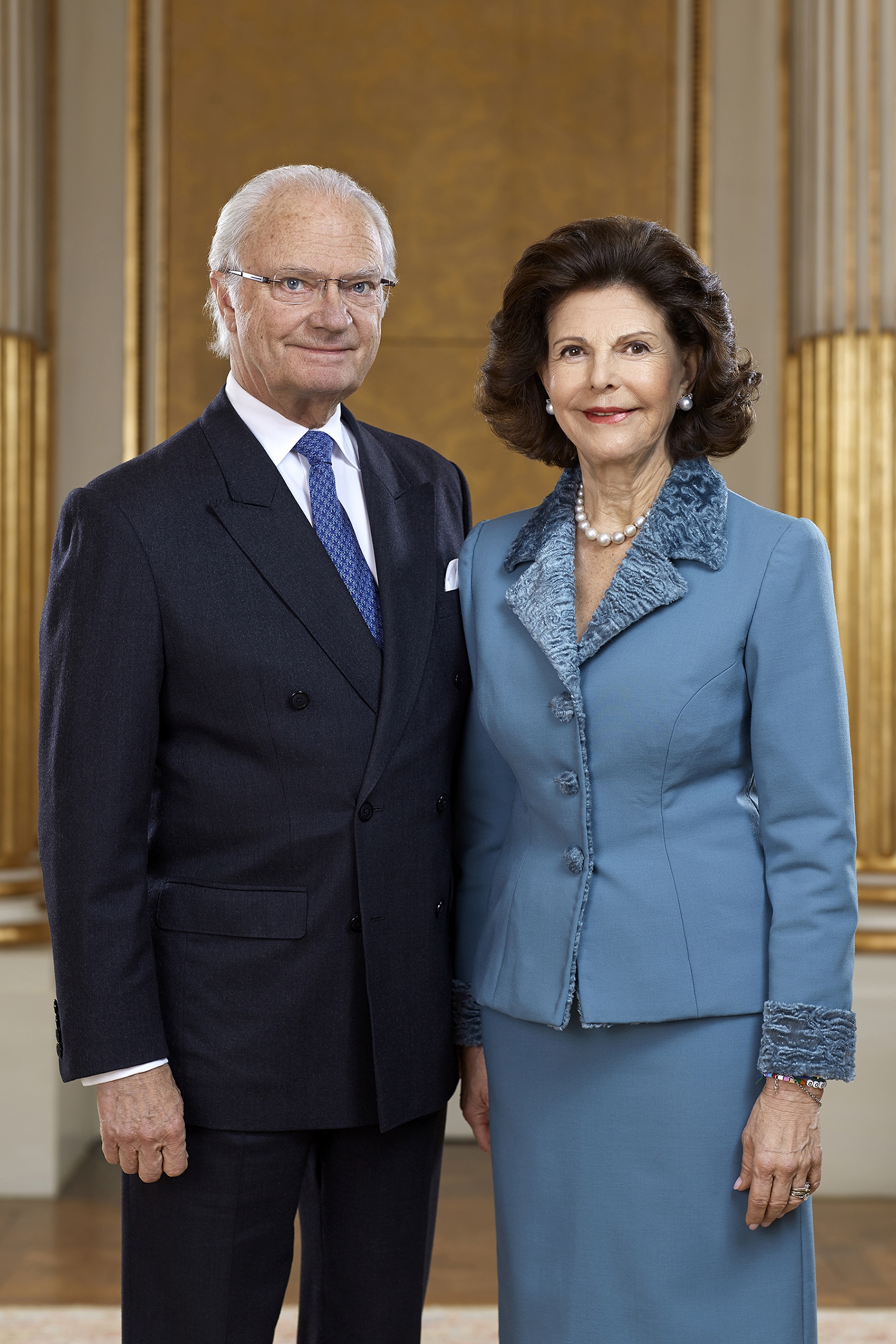
The Rosette of the Order is a light-blue pin worn on the lapel. This is usually just worn by man. And is worn in less formal occasions usually with a suit and tie.
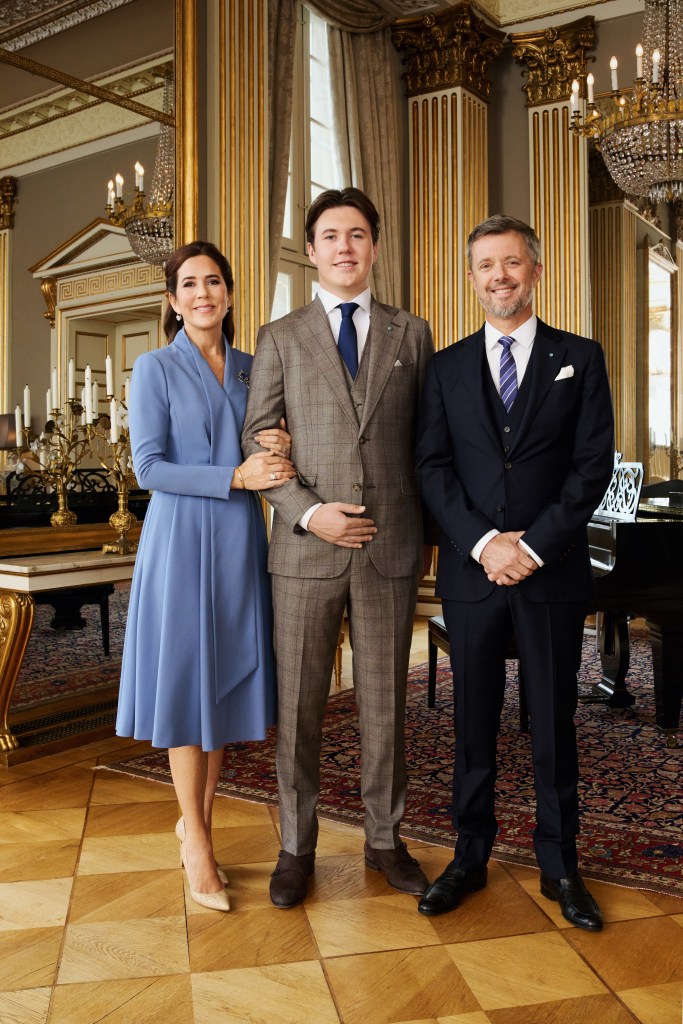
Photo: Dennis Stenild, Kongehuset 2023
Sash
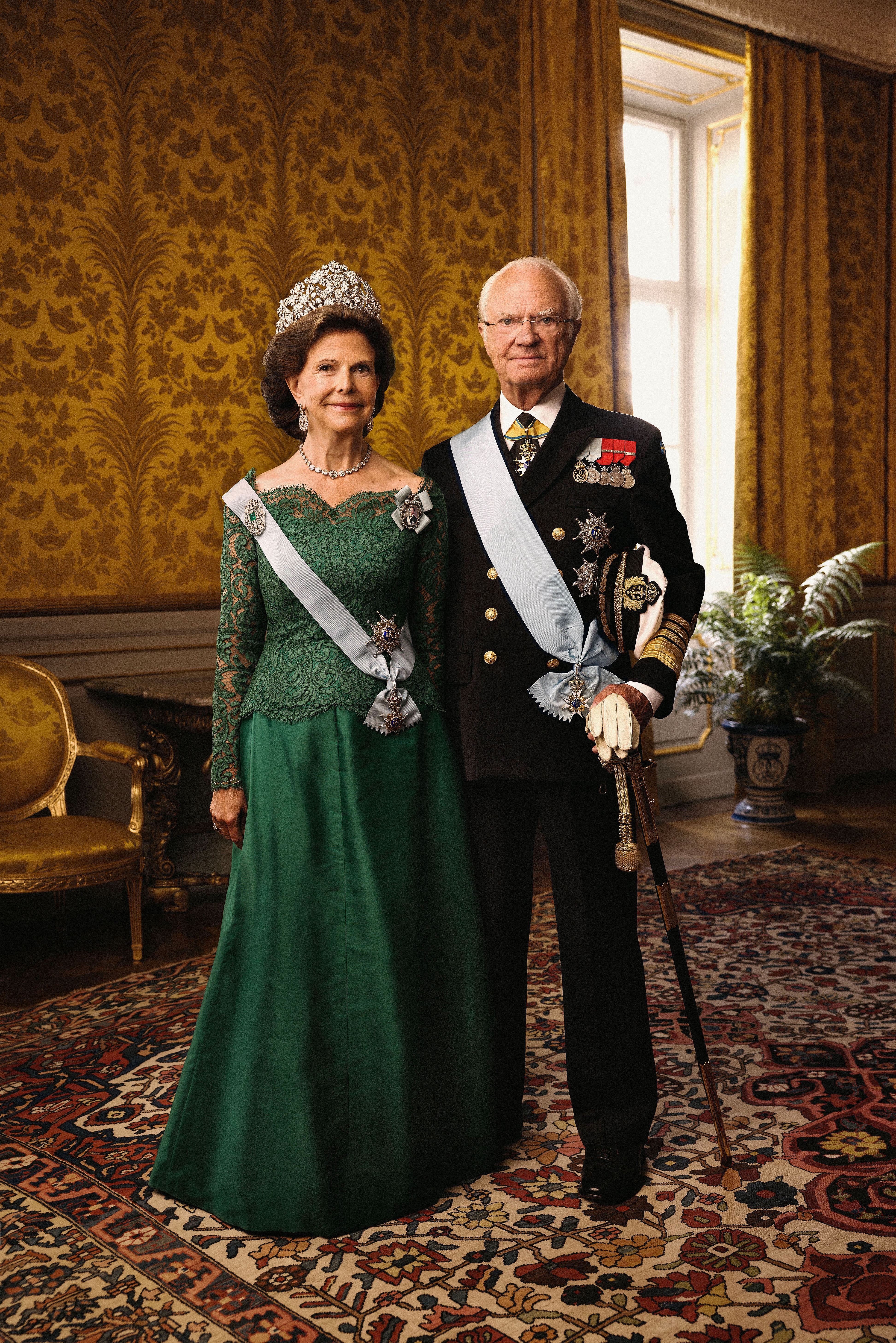
The sash of the order is of light-blue silk with Elephant badge attached at the hip. The men’s version is 10 cm wide. And the women’s version is 6 cm wide. The Sash is worn on the left shoulder with the elephant resting against the right hip.

Photo: Steen Brogaard, Kongehuset 2019
Star
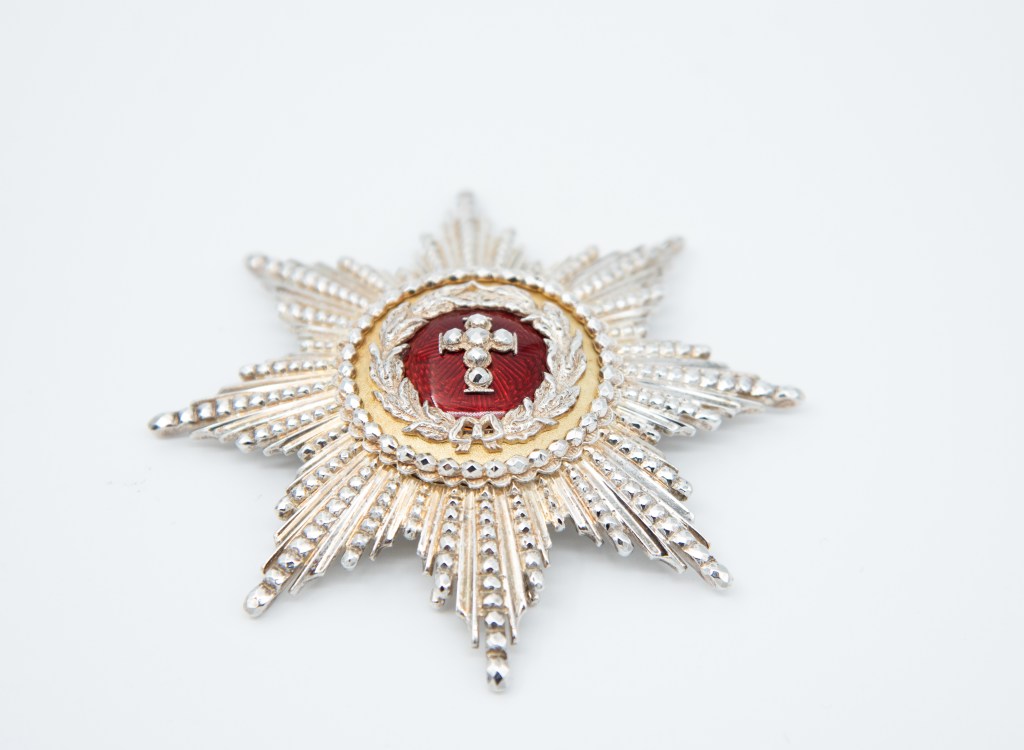
The star is 8-pointed silver star. The center has a red disc with white cross, surrounded by a silver laurel wreath. The star is worn on the left side of the chest.
Collar
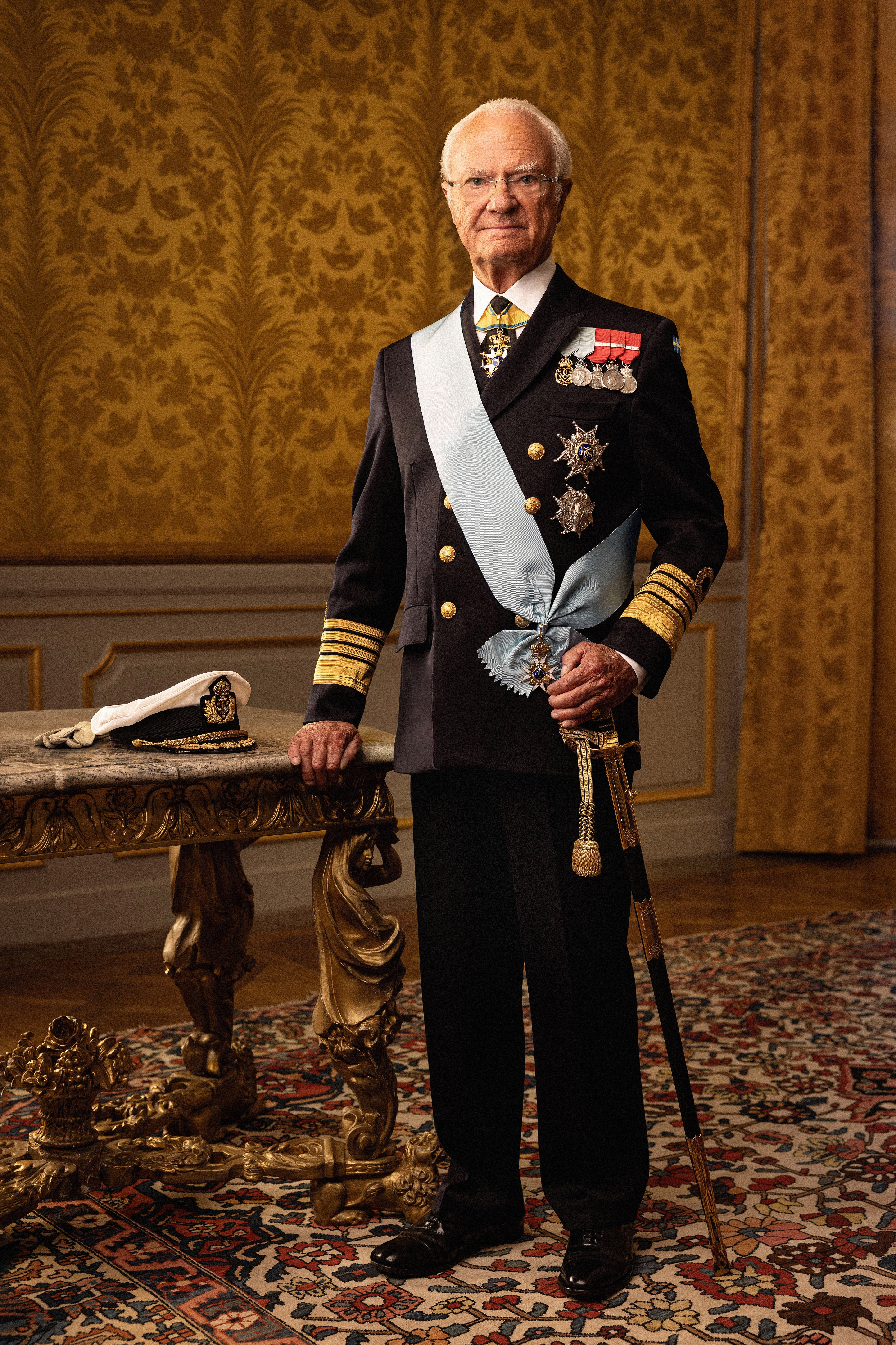
The collar of the Order is made of gold. It consists of alternating elephants and towers, with a large elephant dangling from the center. The collar is the highest form of the honor. Both Denmark & Foreign Royals can wear the collar when appropriate. The collar is typically only worn on Order Days:
- January 1st: Order of the Knights Day
- May 26th: King Frederik’s birthday
- June 28th: King Valdemar II’s birthday
Or, on other extra important events like Jubilees. Since January 1st is an Order Day, we see this honor each year at the New Year’s Day Gala.

Photo: Kongehuset, 2025
Coat of Arms
The Order of Elephant Collar can be added to a Knight’s Coat of Arms. (Although Foreign Royals don’t typically display foreign honors on their normal coat of arms. It would only be shown in a variant for a special purpose related to that foreign honor.)
Each knight is required to send a copy of their coat of arms to the order’s secretary, who commissions an Armorial Plate. The armorial plate is hung in the Chapel of the Royal Orders of Knighthood in Frederiksborg Palace.
The Knight’s coat of arms is encircled by the collar of the Order of Elephant. And includes the Royal’s title and date of admission. Title and Coat of Arms are not updated to reflect the royals change in title or coat of arms.

Photo: Kongehuset ©





Leave a Comment!